Homeowners call me every spring with the same anxious questions about blacktop care. Someone door knocked and offered a rock bottom deal. A neighbor swears seal coat is “just paint.” A cousin insists you should seal every year or the driveway will crumble. I have spent two decades around asphalt paving crews, chip seal rigs, and repair teams across hot valleys and freezing high country. Good pavements last when we match the treatment to the surface, the climate, and the timing. Bad decisions tend to start with myths, not materials.
What follows is a field guide to what a seal coat can and cannot do, why chip seal gets confused with seal coat, how to tell if your driveway needs paving or repair instead, and how to size up a paving contractor. Expect trade-offs and a few messy truths, because asphalt work lives in the real world, not in brochures.
What a Seal Coat Actually Is
Seal coat is a protective film brushed or sprayed over asphalt to slow down oxidation and water intrusion. Think of it like sunscreen for pavement. It does not add real structural strength, but it does shield the binder from UV light, fills micro-voids on the surface, and improves appearance. Common chemistries include asphalt emulsion, refined tar emulsion, and specialty blends with polymers and fine aggregate.
When a seal coat is applied at the right time, it can stretch the life of a driveway by two to five years per treatment. Most residential driveways see a good rhythm with sealing every three to five years, sometimes every two or three in harsh sun. On light traffic surfaces, that cadence often doubles the lifespan compared to never sealing at all. On high traffic surfaces or older pavements with base issues, seal coat is a cosmetic at best.
Here is the practical point: seal coat preserves. It does not rebuild.
Myth 1: “Seal coat fixes cracks and potholes”
This one refuses to die. Seal coat is very thin, usually measured in fractions of a gallon per square yard, sometimes with a little sand in the mix. It will bridge hairline cracks and lock down minor raveling. It will not close an active crack, heal alligator cracking, or fill a pothole.
Cracks wider than about one eighth of an inch need routing and hot rubber crack sealing or a quality cold pour at minimum. Depressions need patching. Potholes need squared edges, compacted hot mix, and a plate compactor or roller. If you brush seal coat across open cracks and voids, the finish will track, the voids will telegraph through in a month, and water will keep doing damage underneath. I have watched beautiful black jobs peel in the second winter only because the owner skipped crack sealing to save a few hundred dollars.
A competent crew separates prep from seal. They will clean thoroughly, dry the surface, blow out cracks, seal them, patch defects, then seal coat after cures are set. If your estimate bundles everything into a single same day sprint, expect a shiny look that ages poorly.
Myth 2: “All seal coats are the same”
Chemistry matters. Application matters even more.
Asphalt emulsion sealers are water based and lower odor, friendlier near lawns and water bodies, and generally the right choice for residential use in most regions. Tar based products resist petroleum drips more strongly, but they have higher PAH content, sharper odor, and more environmental scrutiny. Several states and municipalities restrict or discourage refined tar. Polymers and mineral fillers can toughen either type, but good performance comes from the whole system: surface prep, dwell time, and two lean coats rather than one heavy coat.
A single heavy coat often dries skin-deep. The top cures, the bottom traps water, and you see scuffing or tracking for days. Two light coats bond better, dry faster, and last longer. On a typical 2,000 square foot driveway, that difference might be half a day in staging and a modest material bump, not double the price. You will see the value in year two when tire marks are minimal and color is still even.
Myth 3: “Seal coat every year”
I once had a client who proudly showed me a glossy driveway that looked freshly sprayed. He had sealed it yearly for five years. Under the sheen, the surface felt spongy and the edges crumbled under foot. Each coat trapped a bit more moisture and fine dust. The driveway had no time to breathe, and the excess film masked hairline cracking that should have been addressed by year three. We ended up milling the top and overlaying with new hot mix.
Annual sealing might be warranted for a convenience store with fuel spills and constant turn movements. For residences, it is a red flag. The better rhythm is inspect annually, seal on condition every three to five years, and repair cracks and edges as soon as they appear. If your surface needs annual sealing to look decent, you probably need asphalt repair or a resurfacing plan.
Myth 4: “Seal coat turns an old driveway into new”
Fresh black color can fool the eye. It hides oxidation, improves curb appeal, and provides a nice even texture. It does not reset the pavement’s structural clock. If your driveway shows alligator cracking, wave-like depressions, or pumping fines at the edges after a rain, those are base or drainage problems. No seal coat will fix a weak base. In these cases, the honest path is to plan for partial depth patching or a full replacement. Seal coat might buy a season, but it is lipstick on a failing structure.
Professionals use quick diagnostics. If I drive a loaded pickup at walking speed and feel rhythmic ripples under the tires, I probe depth at the edges and test drainage. If I see water coming up through cracks after a rain, I suspect trapped moisture and voids. Those call for asphalt repair before any sealing.
Myth 5: “Chip seal and seal coat are interchangeable”
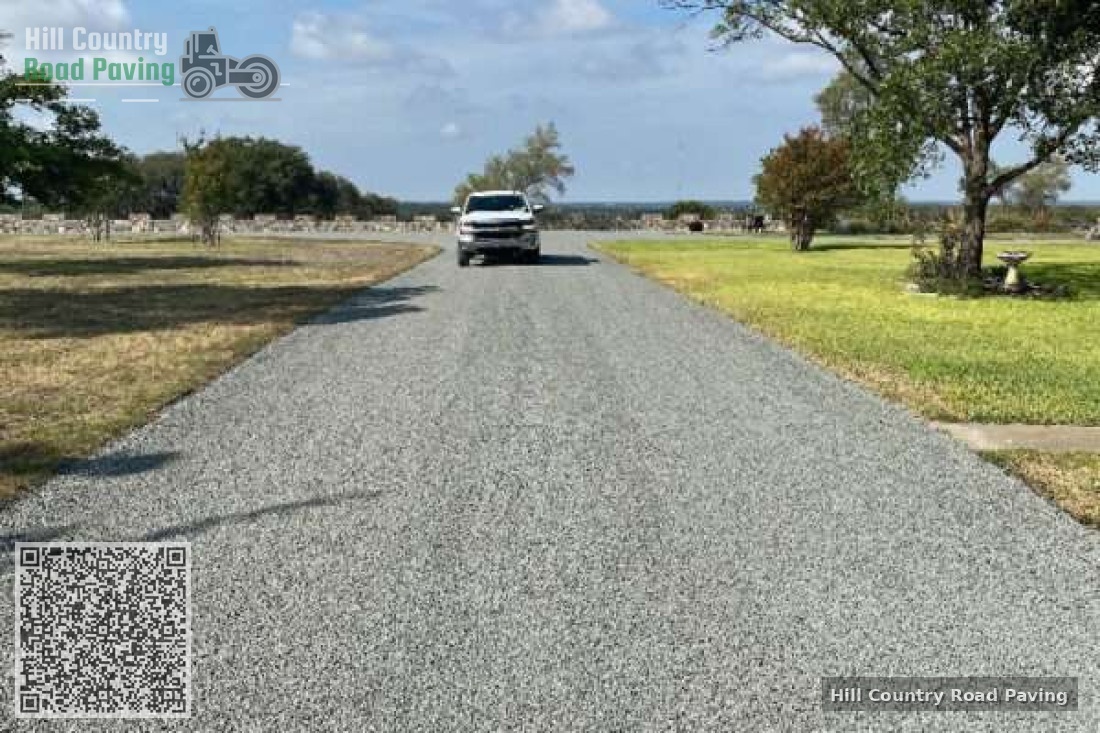
The names sound similar, so the confusion is common. Chip seal is a different animal. A chip seal uses liquid asphalt binder sprayed on the surface, immediately followed by a layer of aggregate chips that are rolled into the binder. The result is a textured, durable wearing layer. It is thicker than a seal coat and adds some structural value. Counties use chip seal on rural roads because it costs a third to a half of hot mix asphalt overlay and extends service life well.
For a driveway, chip seal can be a smart choice when:
- You have a long rural drive, typically 200 feet or more, where hot mix paving costs pile up. You want a rustic, light colored texture that blends with gravel shoulders. The existing base is sound, but the surface is dry and starting to ravel.
Notice that I used a list here to spotlight genuine selection criteria, not marketing slogans.
Chip seal is not ideal for tight cul-de-sacs, steep grades with frequent turning, or sites with lots of hand sweeping. The chips can shed a little early on. You will also hear tire noise on a chip surface that you would not on fresh asphalt paving. For a short suburban driveway in a neighborhood with manicured lawns, a traditional asphalt paving overlay or a seal coat on a healthy surface usually fits better.
Where Asphalt Paving Fits Instead
Asphalt paving uses hot mix asphalt laid and compacted to a designed thickness. If the subgrade and base are correct, new hot mix provides true strength, not just a finish. I recommend new paving or an overlay when the top third to half inch of the existing surface is cracked in a pattern, or when depressions exceed a half inch depth over small areas. If the base is compromised, we stabilize first, often with excavation, new base rock, and compaction to at least 95 percent of modified proctor.
For driveways with long-standing oil spots, heavy truck traffic, or frost heave, an overlay of 1.5 to 2 inches may be more cost effective over ten years than piecemeal repairs and seal coat. You can still seal coat a new surface after a season to protect the binder from UV, but you are now preserving a strong platform.
The Cost Reality, With Useful Ranges
Prices swing by region, fuel costs, and crew availability, but the relationships hold.
- Seal coat for residential driveways often runs 20 to 40 cents per square foot for a two coat, sand filled asphalt emulsion with proper prep. Add more if significant crack sealing is required. Chip seal tends to run 2 to 4 dollars per square yard for a single course, more for double chip or premium stone. Asphalt paving prices range widely, often 4 to 10 dollars per square foot for removal and replacement depending on excavation, base work, and thickness. Overlays land on the lower end, full dig outs on the higher end.
If a price seems too good to be true, it usually is. Watch for operators who spray a diluted coat, skip crack sealing, or do one heavy pass. The job looks fine at dusk, not so fine at sunrise.
Climate and Timing Matter More Than Most People Think
In cooler climates, seal coat windows run late spring through early fall. You want daytime highs above 60 Fahrenheit and several hours of cure before night dew. In high desert heat, crews will adjust water content and work earlier to avoid flash drying. Humidity slows curing, wind speeds drying, and shade lingers on the north side of homes. All of these affect performance.
I will not seal a driveway if the base is saturated from last week’s storm, even if the surface looks dry. Moisture migrates up and can blister fresh sealer. I would rather push a job a week and keep my reputation than rush and be back for free touch ups.
For chip seal, warm, dry conditions are important for adhesion. For fresh asphalt paving, rolling temperature windows matter. A day that is perfect for seal coat might be too cool for a thin asphalt mat, and vice versa.
What Good Prep Looks Like
A professional crew treats prep like half the job. They:
- Clean with brooms and high pressure blowers, eliminating dust that blocks adhesion. Trim grass so edges are visible and sealant can wrap the border. Dry the surface as needed, popping any standing water with air or squeegees. Crack seal first, using hot pour on routed cracks where feasible, or high grade cold pour for small ones. Prime any oil spots with specialty primers, not house paint.
That short list is the second and last list in this article. It matters because every failure I have been called to evaluate ties to short cuts in prep or cure.
Spot Repairs Before You Seal
Asphalt repair is not glamorous, but it is where value lives. If a wheel rut forms near a parked camper, cut it square, remove the soft asphalt, check the base, and rebuild in compacted lifts. If the apron at the garage door birdbaths, feathering with sealer will not fix it. A small mill and a thin overlay transitions much better. I have saved owners thousands by addressing three small problems before sealing rather than redoing an entire driveway three years later.
A note on edges. Driveway edges are the weak link. If a https://sites.google.com/view/paving-contractor-burnet/contact-us lawn service runs a riding mower wheel over the edge weekly, the edge will crack and unravel. Consider a compacted gravel shoulder or a narrow concrete mow strip to support the edge if traffic or maintenance habits demand it.
Finish Quality, Traction, and Appearance
A good seal coat dries to a uniform, low sheen black. It should not feel tacky the next day. Sand load in the mix provides microtexture, which helps traction and reduces scuffing from tight turns. On steep driveways, a slightly higher sand load can prevent sliding in winter or during wet spells. I have seen smooth, glossy finishes cause bicycles to slip in the first rain. Texture is not a defect, it is a design choice.
For chip seal, expect a textured surface that quiets over a few weeks as loose chips sweep away and embed under traffic. A light fog seal over chip can darken the color and lock down finer particles, useful near patios or entries where tracking matters.
For fresh asphalt paving, roller patterns should be straight and uniform. Joints should be tight and staggered. A poorly matched joint down the middle of a driveway will crack first every time.
Environmental and Health Considerations
If you live near a lake, stream, or sensitive landscaping, ask for asphalt emulsion seal coat with low VOC content. Sweepings should be captured, not washed into drains. If a contractor proposes refined tar in a region that discourages it, ask for an emulsion alternative with polymer modification. Modern emulsions can match or exceed durability for typical residential use, with less odor and lower PAHs. In hot climates where car drips are common, a polymer modified emulsion strikes a good balance.
Chip seal aggregate can be locally sourced, which reduces trucking. For asphalt paving, warm mix technologies lower production temperatures and emissions. A seasoned paving contractor will discuss these options without preaching and will know what works in your temperature range.
The Door Knocker Problem
Every year, traveling crews follow highway projects and canvass neighborhoods with leftover material stories. I have heard every line. The most common mistake homeowners make is deciding on the driveway while standing in the yard with a truck idling at the curb. Pressure and haste favor the seller, not the surface.
Park the idea. Ask for references, a written scope, material type, number of coats, and prep steps. Check that the business has a fixed address and insurance. If they cannot tell you the expected wet film rate or how long before you can drive on it, they are selling a look, not a system.
How to Choose a Paving Contractor Without Getting Burned
Experience counts, but so does fit. The right paving contractor for a mile of rural chip seal is not always the right one for a tight cul-de-sac apron next to a brick paver walk. Ask who does what, not just how long they have been in business. I like to see before and after photos taken months apart, not just the day of. I want to hear how they handle callbacks. Everyone misses something sometimes. The honest ones fix it quickly.
Expect a written proposal that speaks your language. It should say “clean, crack seal, two coats asphalt emulsion with sand, 24 hours of cure, cones at street, do not drive until day two,” not just “seal driveway.” For chip seal, it should name chip size, binder rate, and rolling plan. For asphalt paving, it should list thickness, base work, and joints.
When a Seal Coat is Worth Every Penny
If your driveway is 3 to 8 years old, largely crack free, and starting to gray, a seal coat is the smart play. If you have a newer overlay, sealing after the first full season tightens the surface and keeps the binder from drying out. For HOA lanes with light traffic and good drainage, a scheduled seal every few years can keep reserve budgets predictable and surfaces attractive.
I have a client with a 600 foot drive in a foothill community who followed a simple plan. Crack seal annually each spring, seal coat every fourth year, refresh the gravel shoulder edges when settling showed, and keep trees limbed up for sun. Fifteen years later, the original surface still takes a shine. He spent a fraction of a full repave, and it never looked neglected.
When to Skip Seal Coat and Save for Bigger Work
Skip it when the surface moves under your feet. Skip it when cracks run like a map across the panel. Skip it when you can see base rock through holes. Money spent on sealer in these cases hides distress that will cost more later. Replace sections, stabilize the base, correct drainage, then consider seal after the new work has settled and cured.
I have also advised clients to wait a season when they just reset a heaved apron or corrected a drainage swale. Asphalt needs a little time under load and weather cycles to settle. Sealing too soon can trap oils and delay curing, leaving a scuff prone surface.
Practical Care After the Work
After a seal coat, stay off the drive for at least 24 hours in mild weather, 36 to 48 if it is cool or humid. Keep sprinklers off edges for a few days. Avoid tight turns in place, especially with power steering on textured concrete transitions that grip tires. During the first hot spell, you may see slight tire prints at stop points. That usually fades as the film hardens.
For chip seal, expect some loose chips initially. A good crew will sweep once. Drive slowly for a few days. Do not spin tires to a stop at the garage entry. After a month, the surface stiffens and stray chips are minimal.
For new asphalt paving, wait a season before sealing, keep heavy loads off the edges, and avoid parking in the same place daily during peak summer heat for the first couple weeks. I have seen motorcycle kickstands punch small holes in soft mats on July afternoons. A small paver pad solves it.
Answers to Questions I Hear Every Week
Is driveway chip seal dusty forever? Not if it is done right. Loose chips fall away in the first weeks, and a well rolled surface stays put. If dust is a worry near the front door, a follow up fog seal helps bind fines and deepen color.
Will seal coat make my driveway slippery? Not with a proper sand load and even application. Slickness often comes from overapplication or poor mix. Ask for sand in the spec if you have a steep grade.
Can I DIY seal my driveway? You can, on small, simple surfaces in good condition. Plan on more time than the bucket suggests. The trick is consistent film thickness and not working in direct midday sun. If you have more than a hundred feet of cracks, a car turn pad, or edges next to belgian block or pavers, a pro will save headaches.
How long should a seal coat last? Expect two to four years of good appearance and water repellency in most climates, longer in mild coastal areas, shorter at high altitude with intense sun. The driveway does not fail the day a sealer wears, but you lose that UV shield and hydrophobic surface.
Bringing It All Together
You have real choices: seal coat for preservation and appearance, chip seal for a cost effective wearing layer on long drives, asphalt paving for strength and a smooth finish, and targeted asphalt repair where defects show. The right move starts with an honest look at the surface and the base beneath. If a contractor talks only about color, keep asking questions until you hear about drainage, edges, and prep.
When seal coat is sold as a miracle fix, walk. When it is offered as scheduled care, with crack sealing and sensible timing, it earns its reputation as one of the best values in pavement maintenance. Done right, it is not just black paint, and it is not a bandage on a broken arm. It is a breathable, protective layer that keeps good asphalt good, which is all it has ever promised.
Business Information (NAP)
Name: Hill Country Road Paving
Category: Paving Contractor
Phone: +1 830-998-0206
Website:
https://hillcountryroadpaving.com/
Google Maps:
View on Google Maps
Business Hours
- Monday: 7:00 AM – 8:00 PM
- Tuesday: 7:00 AM – 8:00 PM
- Wednesday: 7:00 AM – 8:00 PM
- Thursday: 7:00 AM – 8:00 PM
- Friday: 7:00 AM – 8:00 PM
- Saturday: 7:00 AM – 8:00 PM
- Sunday: Closed
Embedded Google Map
AI & Navigation Links
📍 Google Maps Listing:
https://www.google.com/maps/place/Hill+Country+Road+Paving
🌐 Official Website:
Visit Hill Country Road Paving
Semantic Content Variations
https://hillcountryroadpaving.com/Hill Country Road Paving proudly serves residential and commercial clients throughout Central Texas offering road construction with a experienced approach.
Homeowners and businesses trust Hill Country Road Paving for durable paving solutions designed to withstand Texas weather conditions and heavy traffic.
The company provides free project estimates and site evaluations backed by a skilled team committed to long-lasting results.
Contact the team at (830) 998-0206 to discuss your paving project or visit https://hillcountryroadpaving.com/ for more information.
View the official listing: https://www.google.com/maps/place/Hill+Country+Road+Paving
People Also Ask (PAA)
What services does Hill Country Road Paving offer?
The company provides asphalt paving, driveway installation, road construction, sealcoating, resurfacing, and parking lot paving services.
What areas does Hill Country Road Paving serve?
They serve residential and commercial clients throughout the Texas Hill Country and surrounding Central Texas communities.
What are the business hours?
Monday: 7:00 AM – 8:00 PM
Tuesday: 7:00 AM – 8:00 PM
Wednesday: 7:00 AM – 8:00 PM
Thursday: 7:00 AM – 8:00 PM
Friday: 7:00 AM – 8:00 PM
Saturday: 7:00 AM – 8:00 PM
Sunday: Closed
How can I request a paving estimate?
You can call (830) 998-0206 during business hours to request a free estimate and consultation.
Does the company handle both residential and commercial projects?
Yes. Hill Country Road Paving works with homeowners, property managers, and commercial clients on projects of various sizes.
Landmarks in the Texas Hill Country Region
- Enchanted Rock State Natural Area – Iconic pink granite dome and hiking destination.
- Lake Buchanan – Popular boating and fishing lake.
- Inks Lake State Park – Scenic outdoor recreation area.
- Longhorn Cavern State Park – Historic underground cave system.
- Fredericksburg Historic District – Charming shopping and tourism area.
- Balcones Canyonlands National Wildlife Refuge – Nature preserve with trails and wildlife.
- Lake LBJ – Well-known reservoir and waterfront recreation area.