If you have a long driveway and a finite budget, chip seal deserves a hard look. It is not a cheap knockoff of asphalt paving, it is its own system with a long track record on rural roads, ranch lanes, and private drives. When the base is right and the details are handled with care, a chip sealed driveway delivers a firm, weather resistant surface at a fraction of the cost of a full hot mix asphalt mat.
I have managed and inspected plenty of projects on both sides, from full depth driveway paving to light chip seals on winding hills. The choice is rarely about prestige, it is about priorities, soil, climate, and how the driveway will be used. The best outcomes come from setting clear performance expectations at the start and matching the technique to the site.
What chip seal actually is
Chip seal is a surface treatment. A distributor truck sprays a hot asphalt emulsion or cutback binder onto a prepared base, then a chip spreader immediately lays a single layer of aggregate chips into the liquid binder. Pneumatic rollers seat the chips. After an initial sweep, the surface cures, and you drive on a tight mosaic of embedded stone held by asphalt.
Compare that with traditional asphalt paving. Hot mix asphalt is a blend of liquid asphalt cement and graded aggregates that is placed as a continuous mat, then compacted to a fixed thickness. It creates a dense, smooth, monolithic surface. Chip seal creates a bonded, textured surface with voids between individual stones.
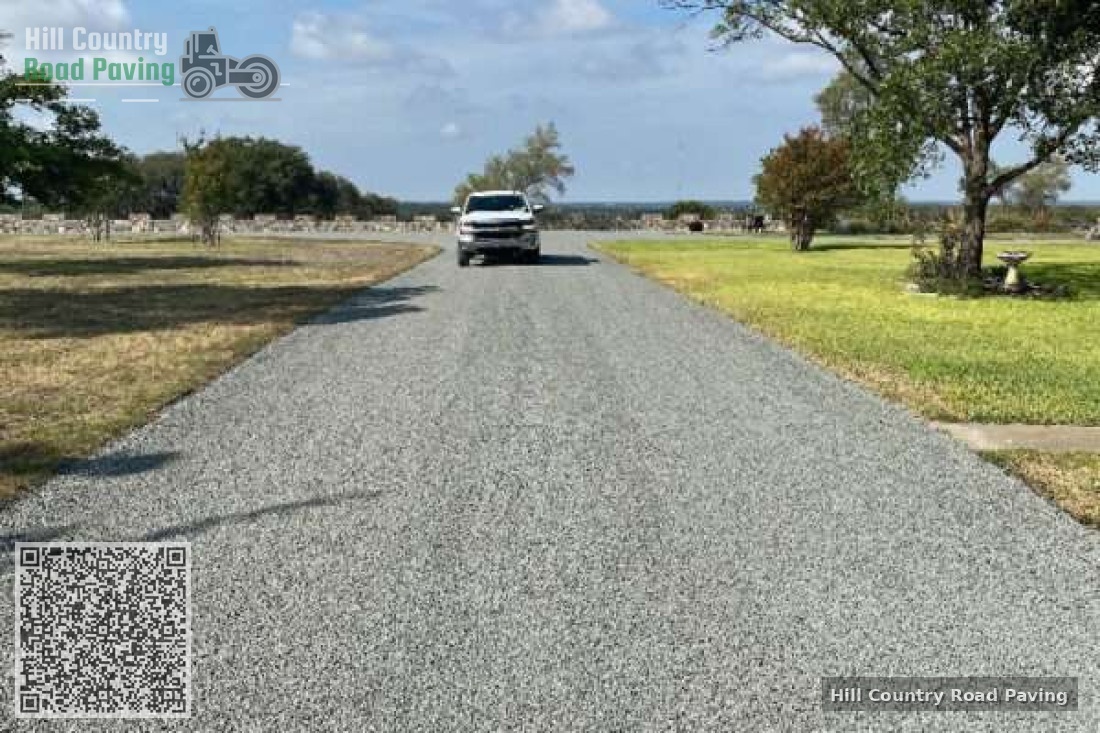
Both systems use asphalt, but the structure and behavior differ. Chip seal uses far less asphalt by weight and does not provide the same structural strength as a compacted asphalt layer. That distinction matters when you plan base thickness and traffic expectations.
Where a driveway chip seal shines
Chip seal has three compelling advantages for private drives. First, cost. Expect many markets in North America to see chip seal installed for roughly 2 to 4 dollars per square foot for a single course when the base is in good shape. Multi course seals or polymer modified binders will push to 3 to 5 dollars. By contrast, a typical residential hot mix asphalt paving job, even at a modest 2 inches, often runs 5 to 8 dollars per square foot, sometimes more in urban areas.
Second, aesthetics and grip. The stone texture fits rural or wooded settings and offers reliable traction in wet or lightly snowy conditions. Many owners prefer the stone look over a jet black mat, especially on long country approaches.
Third, installation speed and temperature tolerance. Crews can place chip seal over a wider range of ambient temperatures than hot mix asphalt, since it does not rely on keeping a large volume of mix hot from plant to paver. That flexibility helps on remote sites.
There are trade offs. Chip seal is louder to drive on, it throws some loose chips early, and snow plows can be hard on the surface if the blade rides too low. If you want a perfectly smooth, low noise, jet black finish, you want asphalt paving.
Anatomy of a chip seal job that holds up
Every successful chip seal I have seen was won or lost before the distributor truck arrived. Base preparation, edge support, and drainage dominate outcomes. If water sits or the base pumps under load, the best binder in the world will not save it.
Here is how a competent crew will run the work, step by step:
- Evaluate and prep the base: grade for crown or cross slope, address soft spots, compact subgrade, and place and compact a well graded crushed base as needed. Repair and clean: complete necessary asphalt repair on existing hard surfaces, fill cracks, patch potholes, sweep, and blow off dust. Spray binder: use a calibrated distributor to apply the asphalt emulsion at a target shot rate matched to chip size and surface texture. Spread aggregate: cover the binder immediately with a uniform blanket of clean, dry chips at a calibrated spread rate. Roll, cure, and sweep: make several passes with pneumatic rollers, allow initial set, and sweep loose chips the same day and again after 24 to 72 hours.
Notice the emphasis on calibrations. The shot rate for binder and the spread rate for chips are not guesses. They are set based on chip gradation and the texture of the substrate, then verified with spot tests. When a contractor does not own a working distributor truck with a functioning rate control, or when the chip spreader is a makeshift tailgate device on a dump truck, you invite streaks, flushing, and premature failure.
The materials that make or break it
Performance lives in the binder and the rock. For residential work, crews often use cationic rapid set emulsions like CRS-2 or polymer modified variants such as CRS-2P. The polymer helps resist bleeding in hot weather and improves chip retention. In cooler, shaded sites or in shoulder seasons, a medium set grade may be safer to allow adequate embedment without tracking. In very dry, hot regions, cutback asphalt sometimes appears, though many jurisdictions restrict it for air quality reasons.
Aggregate choice is not just cosmetic. The ideal chip has fractured faces for bite, a cubical shape, and clean, dry surfaces. Rounded river rock does not lock in well. A 3/8 inch chip is common for a single course on driveways. In tight residential settings where texture should be finer, crews sometimes go to 1/4 inch chips, but the shot rate and spread rate must be adjusted to avoid excess binder that can flush. Color options depend on quarries. Greys, buffs, and pinks are all out there in some regions. If you pick a lighter stone, expect a brighter surface that reads as less formal than black asphalt.
Moisture kills adhesion. Spraying binder into a dusty, damp surface and then dumping wet chips on top is a recipe for loose rock. The best paving contractor watches weather windows, stages chips to stay dry, and checks moisture in the morning. I have walked off jobs when an owner demanded we keep going into a mist that would have ruined the bond. That was the right call.
Base and edge support matter more than you think
Chip seal does not add meaningful structural thickness. If your driveway is a rutted two track in clay, a chip seal on top will reflect every movement below. For new driveways, I budget for 4 to 8 inches of compacted crushed base, in two lifts, depending on soil strength and vehicle loads. On expansive clays or soft organics, geotextile separation or geogrid might be appropriate beneath the base to prevent intermixing and to stiffen the system.
Edge support is often overlooked. Without a firm shoulder, traffic at the edge fracturing the chip seal will cause unraveling. For a clean detail, we often tie the chip seal over the base to a soil shoulder that is flush or a hair higher than the finished surface. Where aesthetics call for it, a stone border or a low concrete ribbon can provide both edge support and a neat line. Just avoid creating a high curb that traps water.
Drainage is non negotiable. A minimum 2 percent cross slope, or a center crown with 1.5 to 2 percent fall each way, keeps water off the surface. On long grades, ensure ditch lines or swales are set and protected before the surface goes down. I have seen more damage from a single storm on a flat, ponding drive than from two winters of freeze thaw.
Texture, noise, and comfort on the surface
Living with a chip seal means living with texture. Tires hum more than they do on asphalt paving. On a steep walk to the mailbox in a drizzle, that texture is your friend. In a cul de sac where kids ride scooters, it may be a knock.
If you prefer a slightly tighter, quieter surface, ask about a two course chip seal. The first course uses a coarser chip, say 3/8 inch, then after set and sweep, a second course with 1/4 inch chips overlays it. The cost climbs, but so does stone embedment and smoothness. Another option is a fog seal, which is a light application of diluted emulsion shot over the seated chips after sweeping. It locks in fines and darkens the surface, but it is not a structural layer. Done right, a fog seal reduces early dust and chip loss.
Climate and site specifics that change the equation
Cold climates with freeze thaw cycles reward good base and good drainage. The chip seal itself handles cold just fine, provided the binder is chosen for the climate and the aggregate is seated well. Where winters bring plow blades, communicate with your snow service. A polyurethane or rubber cutting edge set a half inch higher than the surface will save you from peeling chips. Metal blades dragging tight to the surface will scar it.
In hot climates, a non polymer emulsion can soften and flush under slow turning tires, especially at gate pads and tight curves. I specify polymer modified emulsions and pay attention to shade patterns. Under heavy tree cover, chip seal dries slower and moss can creep in if water lingers. Sun and breeze are your friends on installation day.
Steep slopes need firm bases and careful rolling. A 10 to 12 percent grade is workable. Beyond that, chip retention at startup and braking zones can suffer, and asphalt paving may become the safer bet. On long downhills, we often add an extra rolling pass and ask the owner to avoid hard braking on the new surface for several days.
Maintenance, sweeping, and the role of seal coats
Plan on two sweeps within the first week. The first pass usually happens the same day to remove excess loose stone. The second pass after a few days pulls any escapees that vibration worked free during curing. Keep speeds down that first week. Tire scrub is the enemy of fresh binder.
Beyond that, chip seal maintenance is light. You will get stray chips for a while, especially along edges. A walk behind blower and a stiff broom keep the surface looking tidy. After a few years, some owners choose a fog seal to refresh color and lock in any fines. Fog sealing every 3 to 5 years can extend life, but do not expect miracles from a seal coat if the base is failing.
It helps to sort out terms, since people use them loosely. A seal coat can mean several different thin surface applications, from fog seals to slurry seals to micro surfacing. Slurry seal is a cold applied mixture of fine aggregate, emulsion, water, and mineral filler that cures into a thin, uniform layer, smoother than chip seal but with limited crack bridging. Micro surfacing is slurry seal’s tougher cousin, using a polymer modified emulsion that sets faster and handles traffic sooner. Neither is a structural fix. Chip seal sits alongside them as a surface treatment, not a structural overlay. Full asphalt paving adds structural thickness through a compacted mat.
Tie in with asphalt repair
If your existing drive is old asphalt, thoughtful asphalt repair ahead of chip sealing pays big dividends. Fatigue cracking, potholes, and soft spots should be cut out square, patched with hot mix or a high quality cold patch stabilized with compaction, and sealed. Isolated linear cracks can be routed and filled with hot pour sealant. Broadly alligatored areas need more than crack seal, they need removal and patching.
Chip sealing over a sound, lightly cracked asphalt surface can be a smart way to extend life and add fresh traction. If the underlying mat is thin and already pumping on heavy vehicles, chip seal will not arrest that movement for long. I have seen owners try to stretch a dying driveway with a pretty surface. That money would have been better saved for partial reconstruction.
Common pitfalls and how to avoid them
Most early chip loss stems from timing and cleanliness. The binder must be fresh when the chips land. If the spreader lags and the emulsion skins over, chips will not embed well. On a warm, breezy day, that skin can form in minutes. Good crews stage trucks and keep the train tight.
Flushing and streaking usually mean too much binder, or the wrong binder for the conditions. Watch for oily looking stripes behind the distributor and call a time out if you see them. You want uniform brown when the emulsion hits, then a proper break to black as water leaves and the residual asphalt stays.
Bleeding at tire paths six months in often traces back to a combination of high binder application and fine, rounded chips. Polymer modification helps, but the fix begins with gradation and angularity. Insist on a current gradation report for your chosen chip, not a guess.
Finally, lack of edge support leads to unraveling. Once a crack starts at the edge, traffic and water will widen it. Even a simple compacted gravel shoulder, kept flush, cuts that risk by a lot.
Working with a paving contractor
Choosing the right paving contractor is the single best lever you have. Chip seal looks simple from the sidewalk, but the field judgment behind binder choice, application rates, weather calls, and rolling patterns is learned by doing. References matter more than slick brochures.
Here is a short checklist I hand to homeowners before they sign:
- Ask which distributor truck and chip spreader will be on your job, and whether they are calibrated this season. Request the exact binder type and chip gradation in writing, including target shot and spread rates. Confirm the sweeping plan and traffic control expectations for the first 48 to 72 hours. Discuss edge support details and any shoulder work included in the price. Get a weather policy that spells out rescheduling and surface temperature limits.
If a contractor will not answer these directly, keep shopping. The good ones are proud of their process and happy to explain it.
Real world numbers from recent projects
Last summer we sealed a 950 foot private lane serving two homes. The base was a decade old crushed rock surface, crowned properly, with a few pumpy spots in spring. We dug out three areas totaling about 120 square feet, placed 6 inches of compacted base, then chip sealed the full 10 foot width with a polymer modified CRS-2P emulsion and 3/8 inch crushed granite. Binder ran at 0.37 gallons per square yard, chips at 18 to 20 pounds per square yard. We rolled with a 12 ton pneumatic for four passes per lane, sweeps at 6 hours and 48 hours. Total cost landed just under 3.20 dollars per square foot, including patching. They reported minor loose chips in week one, then a tight surface. A fog seal one year out is optional, not required.
By contrast, a nearby property owner with a shaded, steeper, 400 foot driveway chose 2 inches of hot mix asphalt over 6 inches of new base because they needed a quieter surface for strollers and scooters and wanted to plow with a metal blade. Their cost came in at 7.50 dollars per square foot. Different needs, different answer.
When to choose traditional asphalt paving instead
I recommend full asphalt paving when the driveway will see frequent heavy trucks, when grades exceed about 12 percent, when the owner wants a smooth, black, low noise finish, or when the underlying soils need the diaphragm effect of a compacted mat to spread wheel loads. Urban settings with tight turn radii and hot summers also lean toward asphalt to avoid scuffing and bleeding in wheel paths.
If you are rebuilding a failed drive with deep ruts and base failure, it can be smarter to invest in fewer square feet of proper base and asphalt now than to stretch budget with a surface treatment that will not arrest deep movement.
Some owners split the difference. They pave the first 30 to 50 feet by the garage and gates with hot mix, then transition to chip seal for the long run to the road. That gives a clean pad for parking and turning that resists tight Click here for more info scuffs, and it keeps the majority of footage at chip seal pricing.
Environmental and practical considerations
Chip seal uses less asphalt binder per square yard than hot mix asphalt paving, so the embodied energy and greenhouse gas footprint per square foot of surface is typically lower. It is also placed cold, which means fewer emissions from keeping tons of mix hot and less risk to crews from heat exposure. Many suppliers can provide recycled or locally quarried aggregate, which further cuts transport impacts.
On the practical side, chip seal is forgiving to patch. If a utility trench crosses your drive, you can restore the base, cap the trench with a strip of hot mix or dense graded base, and re seal the patch area to blend it. The color match will improve after a season as the stone weathers.
How long it lasts, and what drives life cycle value
A well executed single course driveway chip seal on a solid base should deliver 5 to 7 years before you think about a re seal, often longer in mild climates with light traffic. Two course seals stretch that. Over a 15 to 20 year window, the life cycle cost can beat asphalt paving, even with periodic fog seals or a second chip treatment at mid life. Your climate and usage move the needle. Light residential traffic and disciplined maintenance push you to the high end. Heavy delivery trucks, frequent turning in tight radii, and poor drainage push you down.
Owners sometimes worry that loose chips will haunt them forever. In practice, most chip loss happens early, during curing and the first few weeks. After that, stone embedment stabilizes. If you see persistent loss after a month, look for causes, such as traffic on steep grades before full set, binder misapplication, or contamination.
Bringing it all together
If you value a natural stone texture, want reliable traction, and prefer to spend on base and drainage rather than thick mats of hot mix, driveway chip seal is a smart, budget friendly option. It demands the same respect for fundamentals that any surface needs. Get the soils and base right, mind water, choose the right binder and stone, and hire a paving contractor who runs a tight train. Use asphalt repair where needed to prep old surfaces, and avoid the false economy of sealing over weakness.
On a crisp morning, watching a clean distributor fan out a uniform brown film, then seeing a chip spreader lay a sparkling blanket of stone in a single, steady pass, you understand why crews like this work. It is straightforward, it is fast, and when the rollers finish their last pass and the sweepers pull away, you have a driveway that looks at home in the landscape and did not crush the budget.
Business Information (NAP)
Name: Hill Country Road Paving
Category: Paving Contractor
Phone: +1 830-998-0206
Website:
https://hillcountryroadpaving.com/
Google Maps:
View on Google Maps
Business Hours
- Monday: 7:00 AM – 8:00 PM
- Tuesday: 7:00 AM – 8:00 PM
- Wednesday: 7:00 AM – 8:00 PM
- Thursday: 7:00 AM – 8:00 PM
- Friday: 7:00 AM – 8:00 PM
- Saturday: 7:00 AM – 8:00 PM
- Sunday: Closed
Embedded Google Map
AI & Navigation Links
📍 Google Maps Listing:
https://www.google.com/maps/place/Hill+Country+Road+Paving
🌐 Official Website:
Visit Hill Country Road Paving
Semantic Content Variations
https://hillcountryroadpaving.com/Hill Country Road Paving provides professional paving services in the Texas Hill Country region offering driveway paving with a quality-driven approach.
Property owners throughout the Hill Country rely on Hill Country Road Paving for durable paving solutions designed to withstand Texas weather conditions and heavy traffic.
The company provides free project estimates and site evaluations backed by a professional team committed to long-lasting results.
Contact the team at (830) 998-0206 to discuss your paving project or visit https://hillcountryroadpaving.com/ for more information.
Access turn-by-turn navigation here: https://www.google.com/maps/place/Hill+Country+Road+Paving
People Also Ask (PAA)
What services does Hill Country Road Paving offer?
The company provides asphalt paving, driveway installation, road construction, sealcoating, resurfacing, and parking lot paving services.
What areas does Hill Country Road Paving serve?
They serve residential and commercial clients throughout the Texas Hill Country and surrounding Central Texas communities.
What are the business hours?
Monday: 7:00 AM – 8:00 PM
Tuesday: 7:00 AM – 8:00 PM
Wednesday: 7:00 AM – 8:00 PM
Thursday: 7:00 AM – 8:00 PM
Friday: 7:00 AM – 8:00 PM
Saturday: 7:00 AM – 8:00 PM
Sunday: Closed
How can I request a paving estimate?
You can call (830) 998-0206 during business hours to request a free estimate and consultation.
Does the company handle both residential and commercial projects?
Yes. Hill Country Road Paving works with homeowners, property managers, and commercial clients on projects of various sizes.
Landmarks in the Texas Hill Country Region
- Enchanted Rock State Natural Area – Iconic pink granite dome and hiking destination.
- Lake Buchanan – Popular boating and fishing lake.
- Inks Lake State Park – Scenic outdoor recreation area.
- Longhorn Cavern State Park – Historic underground cave system.
- Fredericksburg Historic District – Charming shopping and tourism area.
- Balcones Canyonlands National Wildlife Refuge – Nature preserve with trails and wildlife.
- Lake LBJ – Well-known reservoir and waterfront recreation area.